Miniaturisation does more than reduce the size of an instrument. It transforms sample volumes, reactions, applications and the underlying business model.
In medical technology, miniaturisation is often associated with smaller equipment. When applied to immunological analysis, however, it transforms the entire process: the required sample volume, fluid circulation, reaction time, the number of measured parameters and the environment in which the analysis can be performed.
A miniaturised architecture makes it possible to consider selected measurements using much smaller sample volumes. This is particularly relevant when samples are difficult to collect, frequently repeated or obtained from vulnerable patients. It also introduces demanding scientific requirements. As the sample volume decreases, sample preparation, calibration, reaction stability and reproducibility must be controlled with increasing precision.
Miniaturisation can also support multiplexing, meaning the simultaneous measurement of several biomarkers or medications from a single sample. This may improve the use of the available volume and reduce the number of operations required. Its value does not depend on the maximum number of measurable parameters, but on the relevance of each combination and its usefulness in a specific medical or scientific context.
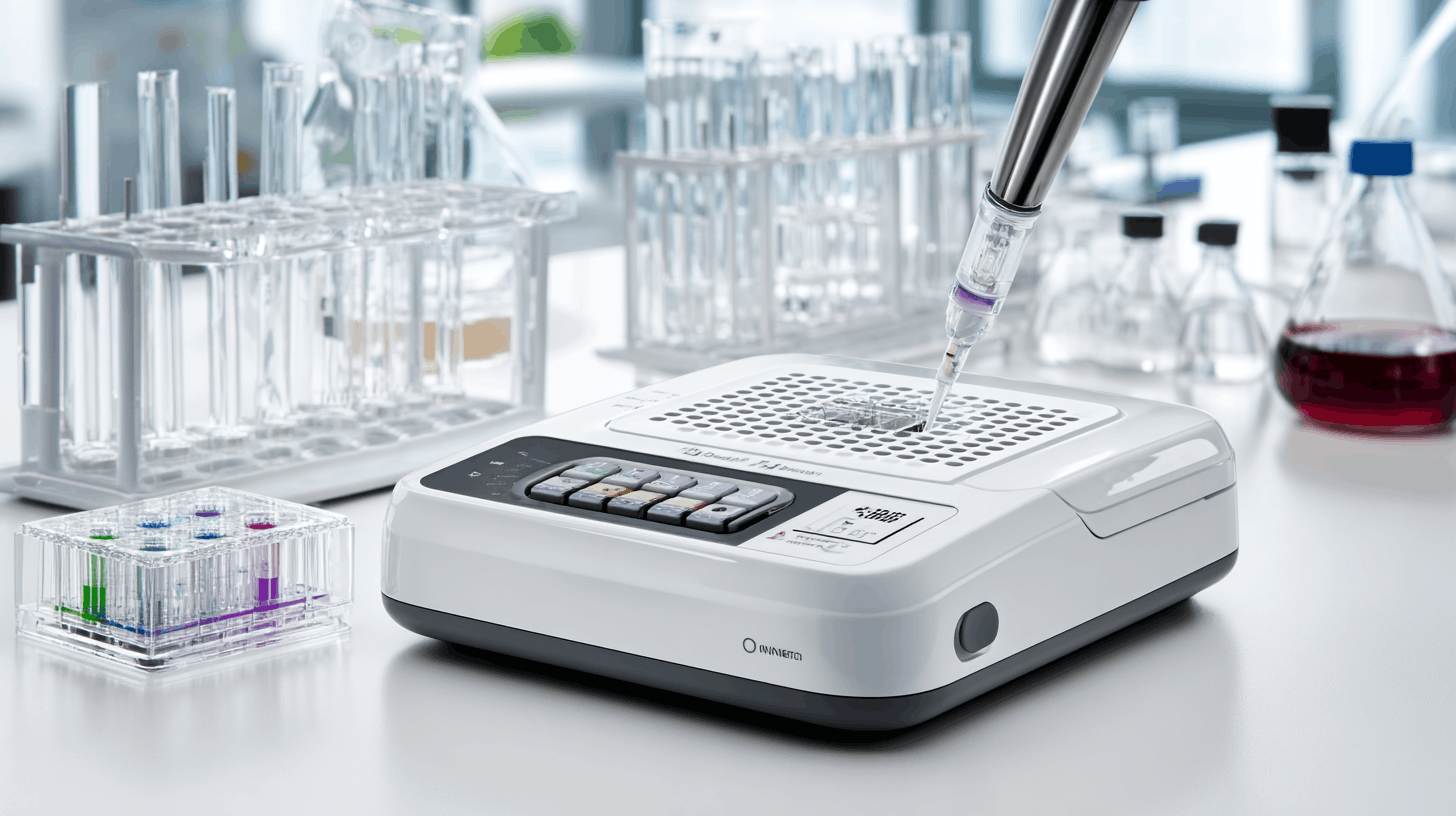
Preciphos’ FoRe technology combines assay chips, reagents and a portable instrument within a single platform. Preciphos aims to quantify between two and eight biomarkers or medications simultaneously using less than 50 µL of blood, with a target turnaround time of under 30 minutes depending on the application. This architecture creates scientific, industrial and financial potential. Discover how our Business Units support the deployment of FoRe across multiple markets. It also offers long-term opportunities for Investors seeking innovative healthcare technologies with strong development potential.